Pattern Matching Across Disciplines: Techniques for Combining Tennis and Equine Racing Data in Multi-Bet Structures
Logan Russell · Oct 17, 2026
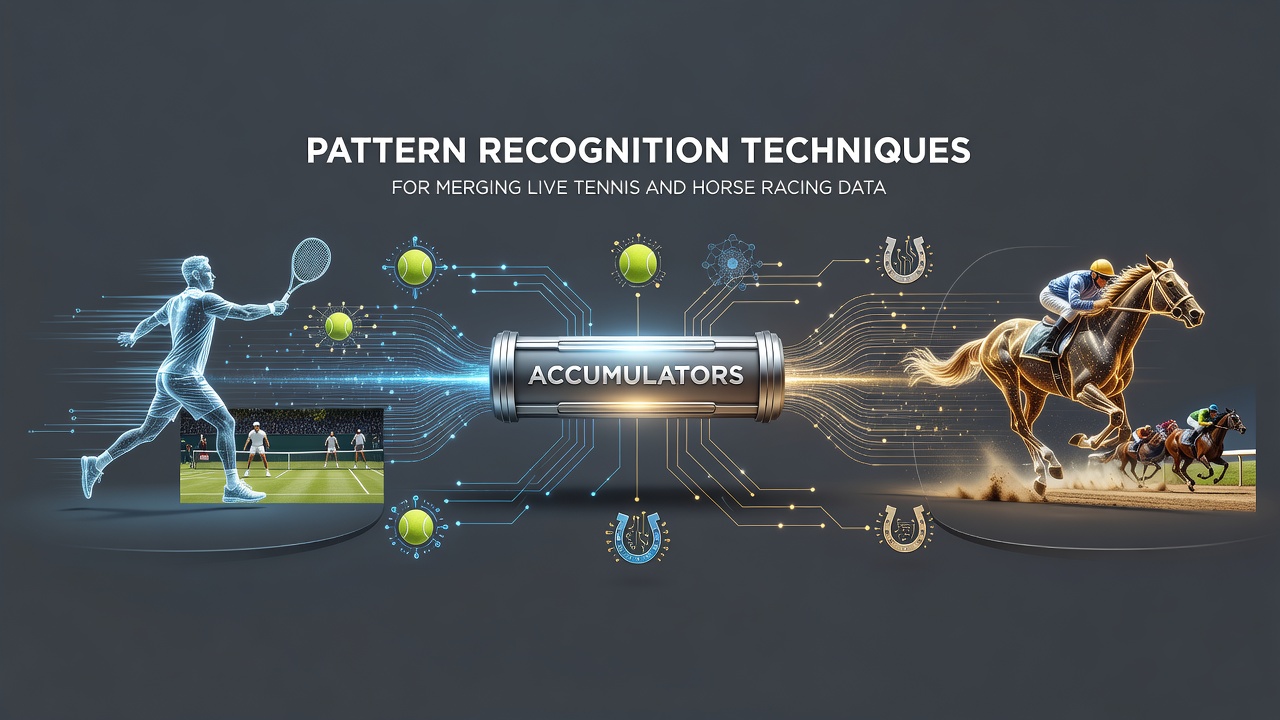
Pattern Matching Across Disciplines: Techniques for Combining Tennis and Equine Racing Data in Multi-Bet Structures
Analysts in sports data sectors have developed pattern recognition methods that merge live tennis statistics with horse racing performance indicators to support accumulator construction, and these approaches rely on real-time feeds processed through algorithmic frameworks. Data streams from court matches include point-by-point outcomes, serve percentages, and rally lengths while track events contribute split times, ground conditions, and jockey metrics; the integration occurs via synchronization protocols that align timestamps across the two domains.
Core Data Inputs and Synchronization Methods
Live tennis feeds supply variables such as first-serve win rates and break-point conversion while horse racing platforms deliver sectional times and pace maps, and observers note that combining these requires timestamp alignment tools to handle differing event durations. Software pipelines extract features from each source then apply normalization steps so that a tennis set lasting forty minutes aligns with a horse race completed in under two minutes, creating comparable sequences for pattern detection.
Researchers at institutions focused on sports analytics have documented the use of time-series alignment techniques including dynamic time warping to match irregular event rhythms, and this process allows clusters of similar momentum shifts to emerge across both sports. For instance one study tracked how a sequence of consecutive breaks in tennis corresponded to late-race surges in equine events when both occurred under comparable weather parameters.
Algorithmic Approaches to Pattern Detection
Pattern recognition systems apply supervised learning models trained on historical accumulator outcomes, and these models identify recurring combinations such as strong finishing sections in racing paired with extended rally wins in tennis. Neural network architectures process multi-dimensional inputs that include player fatigue indicators alongside horse stride efficiency ratings, generating probability scores for joint selections in accumulator legs.
Clustering algorithms group historical matches and races into categories based on shared variables like surface speed or track firmness, after which new live events receive classification labels that inform bet selection sequences. Data indicates that such groupings improve the identification of correlated value points when accumulators span both disciplines, particularly during periods when multiple tournaments and meetings run concurrently.
Real-Time Processing and Model Updating
Systems refresh predictions every few seconds as fresh data arrives from courts and tracks, and this continuous updating incorporates Bayesian inference methods to adjust prior probabilities based on unfolding events. Observers note that incremental learning loops allow models to refine pattern weights without full retraining cycles, maintaining responsiveness during live windows that extend across time zones.
One documented workflow involves initial feature extraction from both sports, followed by fusion layers that create composite indicators such as momentum indices; these indices then feed into accumulator simulators that calculate cumulative probabilities for multi-leg combinations. Figures from industry reports show increased deployment of edge-computing nodes at data centers to reduce latency in these fusion steps.

Case Examples from Operational Environments
Operators in European markets have tested hybrid models during overlapping schedules in October 2026, where tennis events in indoor arenas coincided with turf meetings, and the resulting datasets revealed consistent correlations between indoor court speed ratings and firm ground pace figures. These correlations supported accumulator constructions that layered selections from both domains when pattern thresholds were met.
Additional implementations in Australian venues applied similar recognition layers to link serve-hold sequences with sprint-section dominance, producing documented output logs that tracked selection accuracy across multi-week testing periods. The approach relies on ensemble methods combining decision trees with recurrent networks to handle sequential dependencies that span the two sports.
Evaluation Metrics and Validation Practices
Performance assessment uses metrics such as precision-recall curves for predicted accumulator success rates alongside calibration checks that compare forecasted versus observed joint outcomes. Validation datasets drawn from independent periods confirm whether recognized patterns hold when applied to unseen live streams, and cross-validation routines prevent overfitting to specific tournament or meeting conditions.
Industry organizations including the Australian Gambling Research Centre have published summaries of data-handling standards that apply to cross-sport modeling, while the National Center for Responsible Gaming in the United States has issued guidelines on transparency in algorithmic betting tools. These references establish baseline practices for documenting feature importance and model drift detection.
Conclusion
Pattern recognition techniques continue to evolve through iterative refinement of fusion pipelines that connect tennis and horse racing data streams, and the resulting accumulator frameworks depend on precise synchronization, feature engineering, and ongoing validation against live results. Observers report sustained interest in expanding these methods to additional variables such as player injury reports and equine veterinary updates as data availability increases.