UK Customer-Facing Gambling Sector Posts 4.4% GGY Increase to £17.5 Billion
Parker Bauer · Sep 19, 2026

UK Customer-Facing Gambling Sector Posts 4.4% GGY Increase to £17.5 Billion
The UK’s customer-facing gambling industry recorded gross gambling yield of £17.5 billion for the financial year running from April 2025 through March 2026, according to figures released by the Gambling Commission. That total represented a 4.4% year-on-year rise, and remote activities accounted for the bulk of the increase while land-based operations posted more mixed results. Observers note the data covers customer-facing operators only and excludes lottery sales, which helps isolate trends in the regulated betting and gaming markets.Remote Activities Drive Overall Expansion
Remote gambling, which includes online casino games and sports betting platforms, provided the primary lift during the period. Online casino slots in particular contributed strong volume, and total remote GGY climbed as participation shifted further toward digital channels. The Gambling Commission data shows this segment outpaced land-based venues in both absolute growth and percentage terms, reflecting continued migration of player activity to mobile and desktop interfaces.
Operators active in remote markets reported steady gains across multiple product categories, yet the standout performance came from slots rather than sports betting or poker. Those who track industry statistics point out that remote channels now represent the majority share of customer-facing GGY, a pattern that has strengthened over successive reporting periods.
Land-Based Performance Shows Contrasting Trends
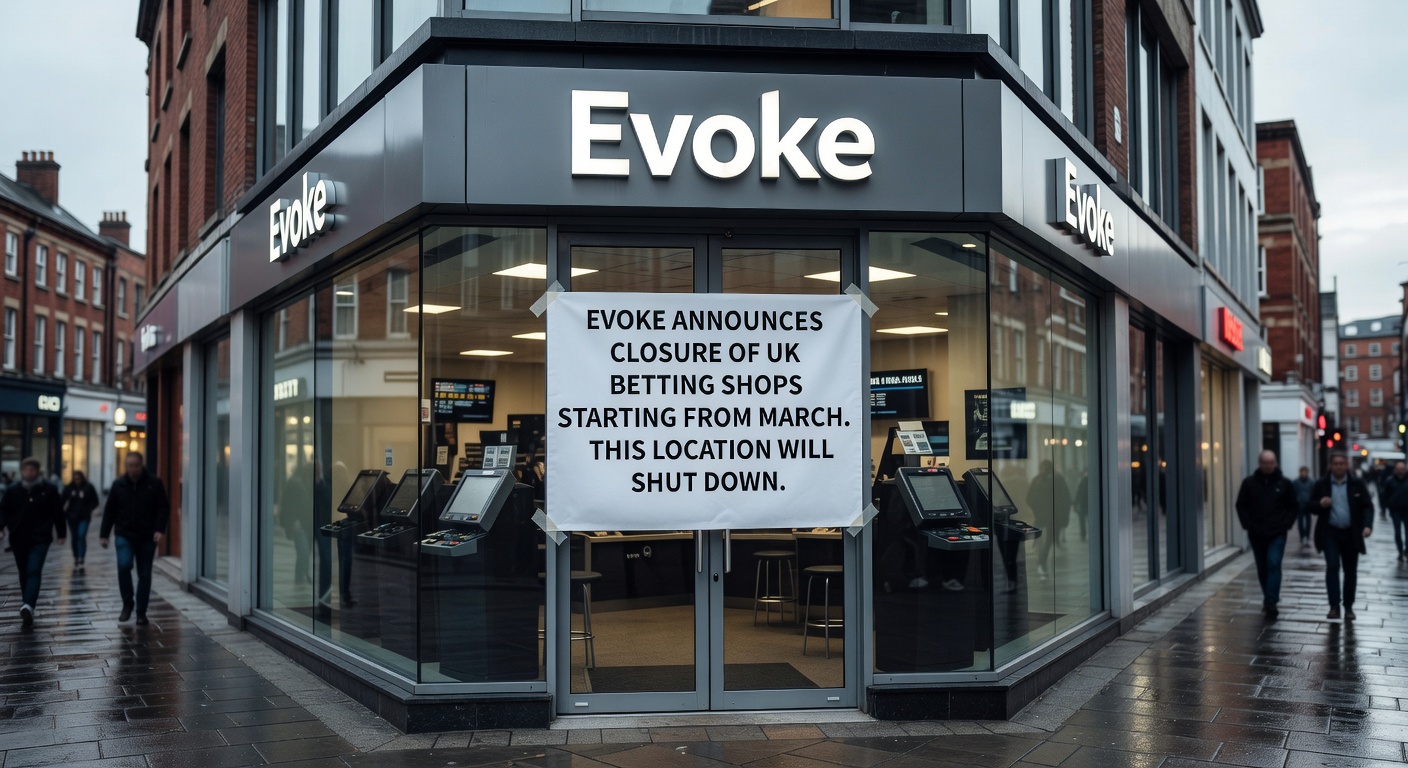
Land-based venues experienced more modest movement. Gaming machines in casinos and adult gaming centres delivered small year-on-year gains, yet betting shops continued their long-term contraction in both numbers and revenue. The decline in high-street betting outlets has been underway for several years, and the latest figures confirm the trend persisted through March 2026.
Arcades and bingo halls recorded stable but limited growth, while casinos posted incremental machine revenue that partially offset weaker table-game results. Industry observers note that footfall at physical sites remains below pre-pandemic levels in many locations, even as machine play provides a partial buffer.
GGY Figures Excluding Lotteries Reach £13.2 Billion
When lottery sales are stripped out of the total, customer-facing GGY stood at £13.2 billion, up 4.7% on the prior year. This adjusted measure isolates the performance of betting, gaming, and casino operators and underscores that the headline growth rate holds even without lottery contributions. The Gambling Commission presents both sets of numbers to allow clearer comparison across different operator types.
The 4.7% rise in the non-lottery total aligns closely with the overall 4.4% increase, indicating that lottery activity did not disproportionately influence the headline figure. Those who review regulatory statistics often examine both metrics side by side to understand underlying operator performance.
Context for September 2026 Market Conditions
By September 2026 the financial-year data had been fully absorbed by operators and analysts, providing a baseline for the current trading environment. Remote product launches and machine upgrades continued at pace, while several high-street chains announced further site reviews in light of the ongoing shop-number decline. The Gambling Commission continues to publish quarterly updates that build on the annual totals, allowing stakeholders to track whether the 2025-2026 growth trajectory is sustained into the new financial year.
Conclusion
The April 2025 to March 2026 results establish that the customer-facing gambling sector expanded at a moderate but consistent rate, led by remote channels and tempered by land-based contraction. The £17.5 billion total, and the £13.2 billion figure excluding lotteries, supply a clear benchmark against which future periods will be measured. Data from the Gambling Commission remains the primary reference point for these industry-wide statistics.